
Logistics
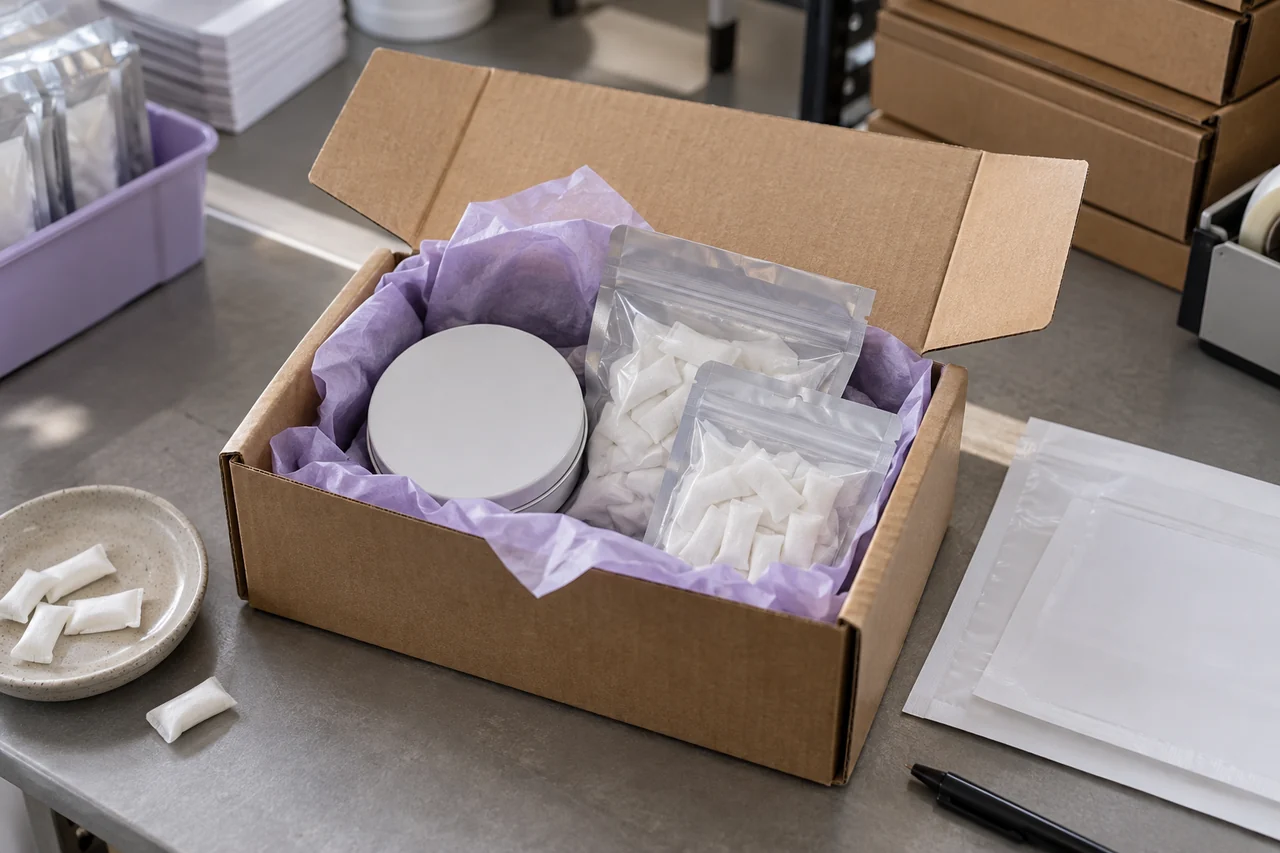
Oral pouch shipping
The shipping brief should identify the product, documents, consignee and trade responsibilities before dispatch.
Read guideCustom calming concepts · OEM / ODM / CRO / CDMO
WhatsApp +852 6240 8947





Practical guides for formulation, packaging, sourcing and market review. Clear answers to the questions that shape a well-defined oral pouch project.
24 guides
Logistics
The shipping brief should identify the product, documents, consignee and trade responsibilities before dispatch.
Read guide
Sourcing
A quotation is comparable only when formula, packaging, testing, quantity and delivery assumptions are aligned.
Read guide
Brand planning
A setting such as travel or work can guide product design without turning into a medical or performance indication.
Read guide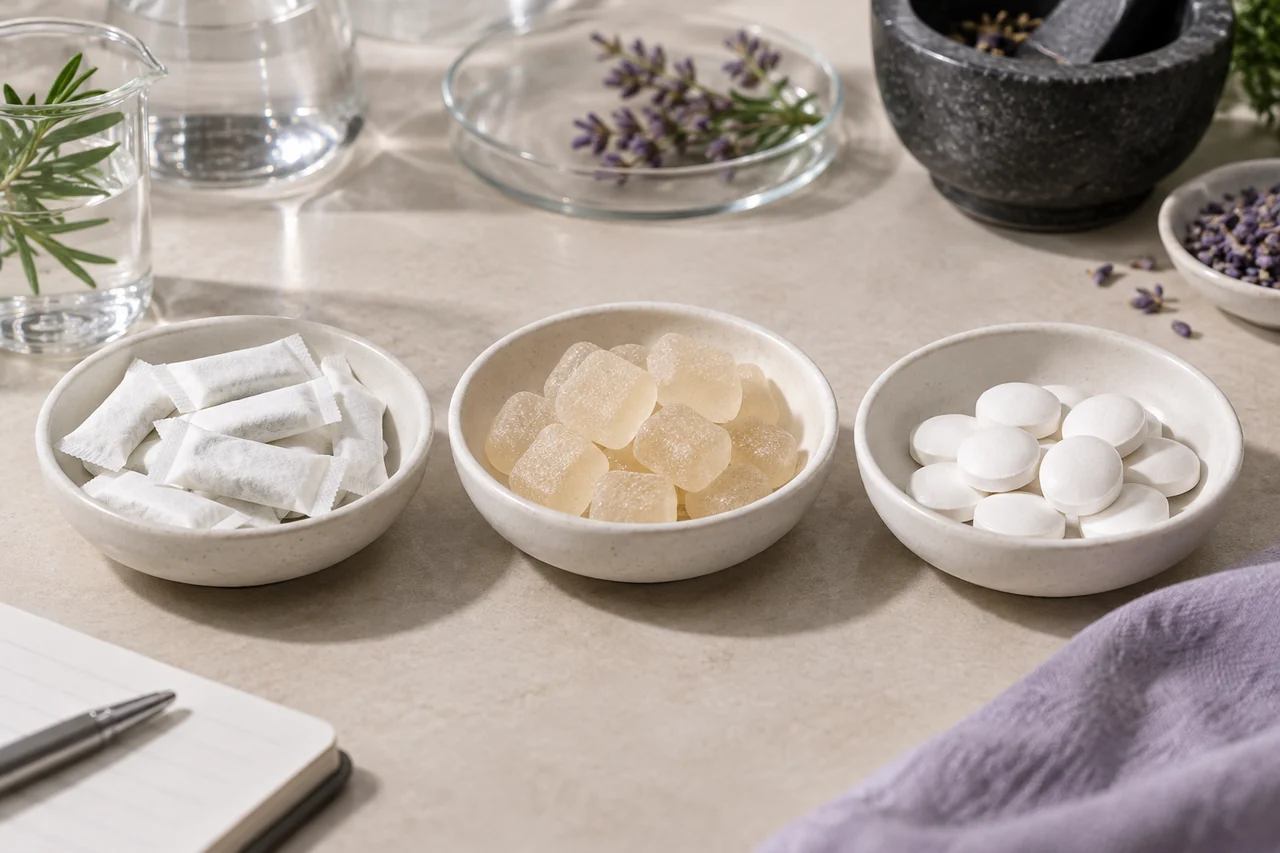
Format comparison
Compare actual product specifications and intended experiences rather than ranking entire formats as universally better.
Read guide
Label planning
Composition statements need a defined formula and local review; they should not be applied from the main ingredient alone.
Read guide
Market planning
Australia and New Zealand need separate product classification and ingredient assessments before a pouch project is scheduled.
Read guide
Market planning
Create separate market questions instead of assuming one formula and label will serve both the US and every EU destination.
Read guide
Supplier review
Verify the issuer, site, scope and validity of a credential before relying on it in a manufacturing decision.
Read guide
Documentation
Each quality document has a purpose; none should be treated as a universal certificate of safety, efficacy or legal sale.
Read guide
Evidence
A laboratory release result, an absorption study and a clinical outcome answer different questions.
Read guide
Quality planning
A shelf-life proposal needs a study that identifies the formula, final packaging, conditions, methods and acceptance criteria.
Read guide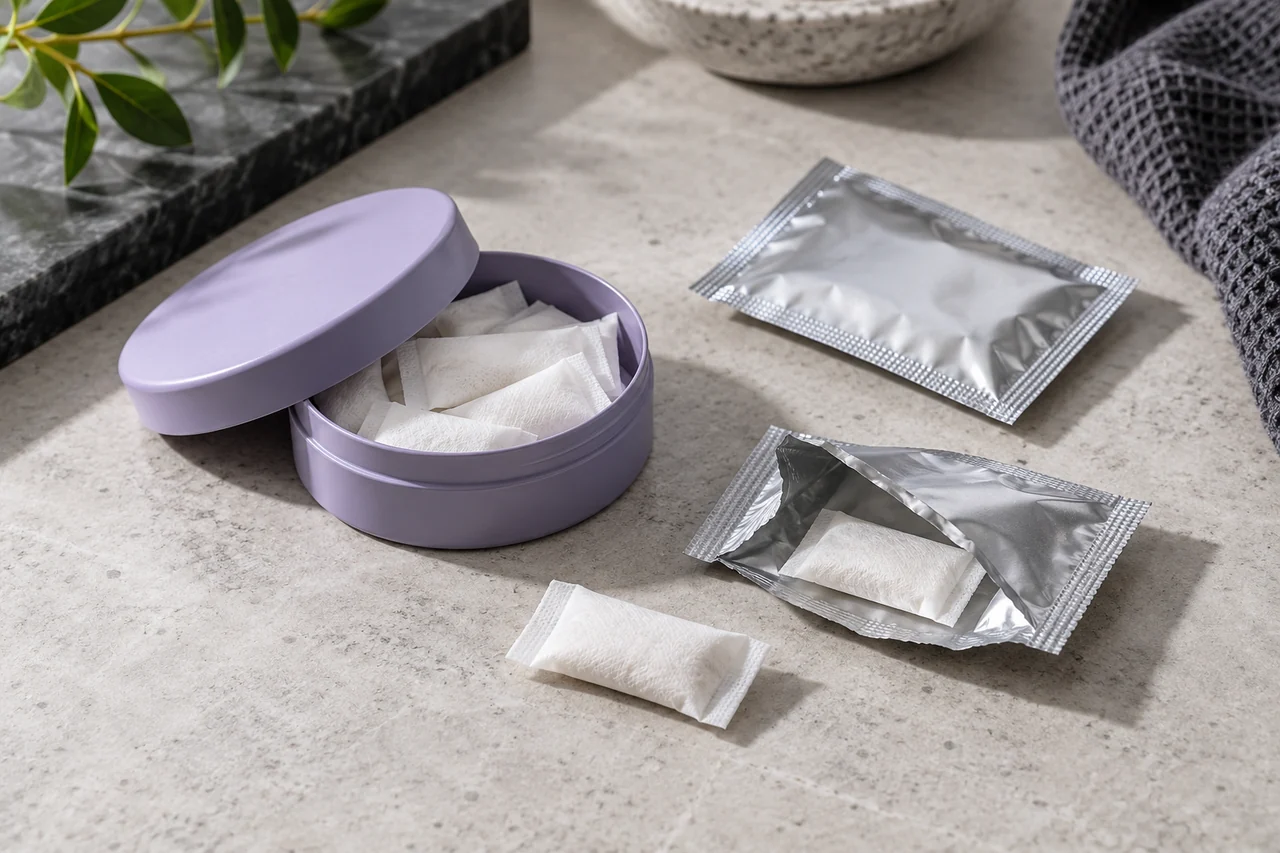
Packaging
Assess the final packaging configuration against the formula and storage plan rather than relying on a general barrier claim.
Read guide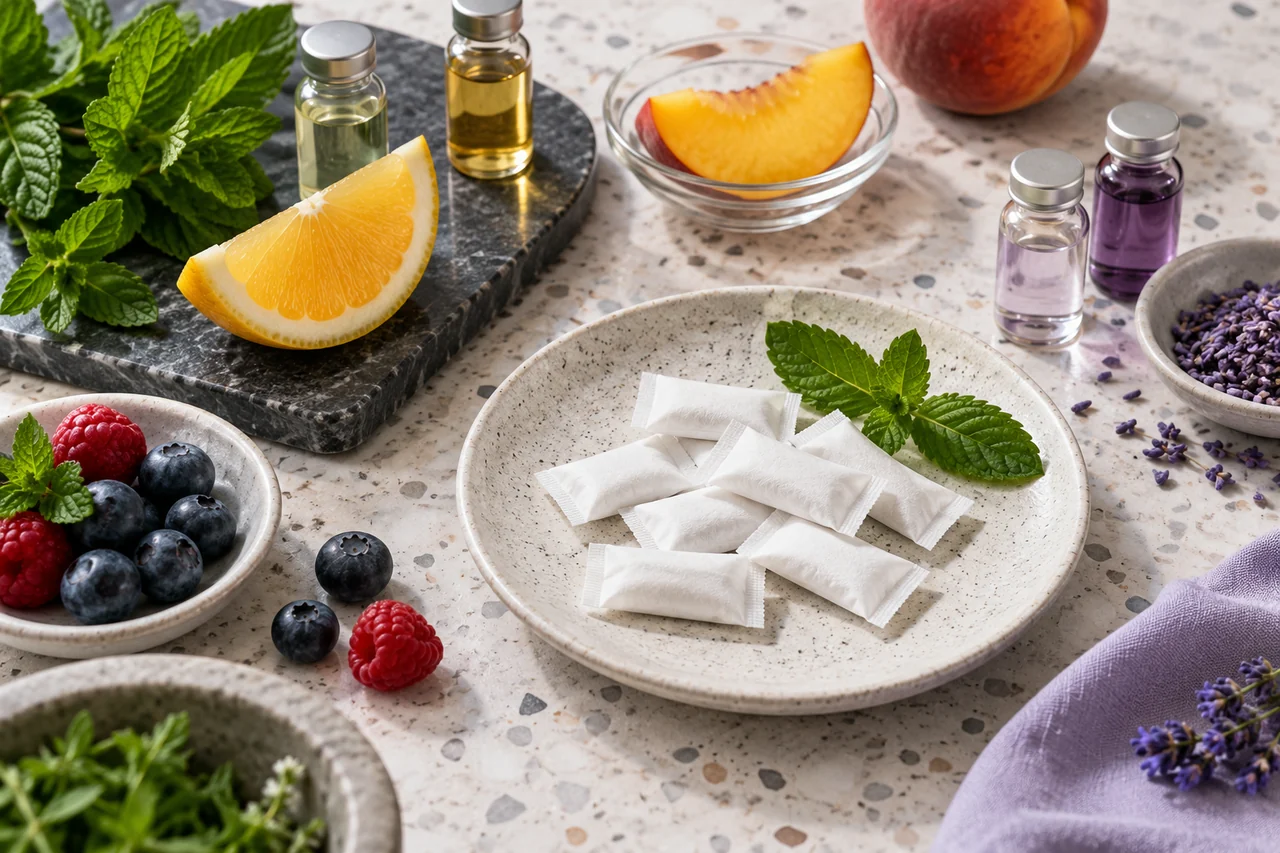
Sensory development
A flavor direction is a prototype question, not a guarantee that every ingredient combination will taste or behave the same.
Read guide
Materials
Evaluate nonwoven construction, seams, oral-contact suitability and handling as part of the complete product.
Read guide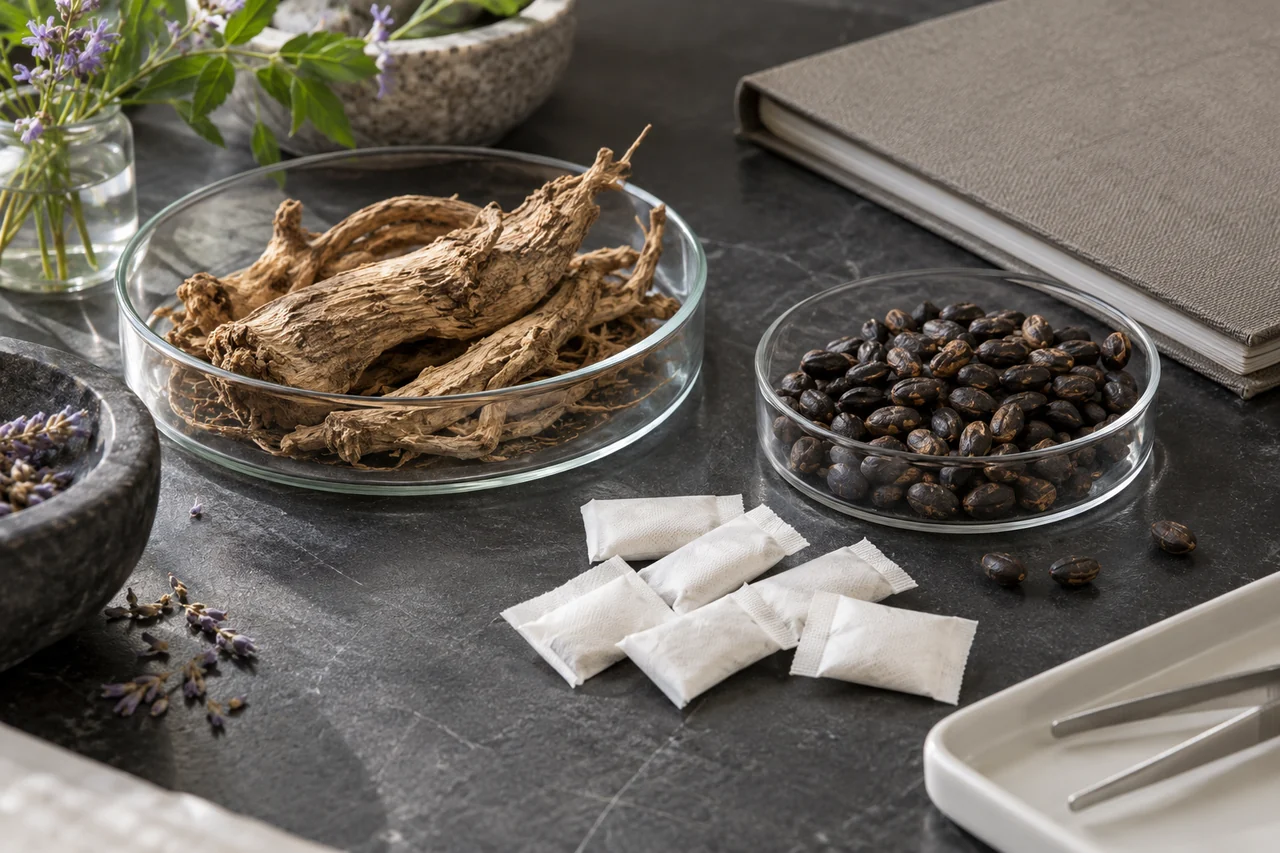
Ingredient review
Kava and 5-HTP enquiries need a distinct safety and market assessment; neither is assumed to belong in a standard calming pouch range.
Read guide
Market planning
Start an evening concept with a separate decision about melatonin; it is not a universal ingredient or a range-wide non-drowsy option.
Read guide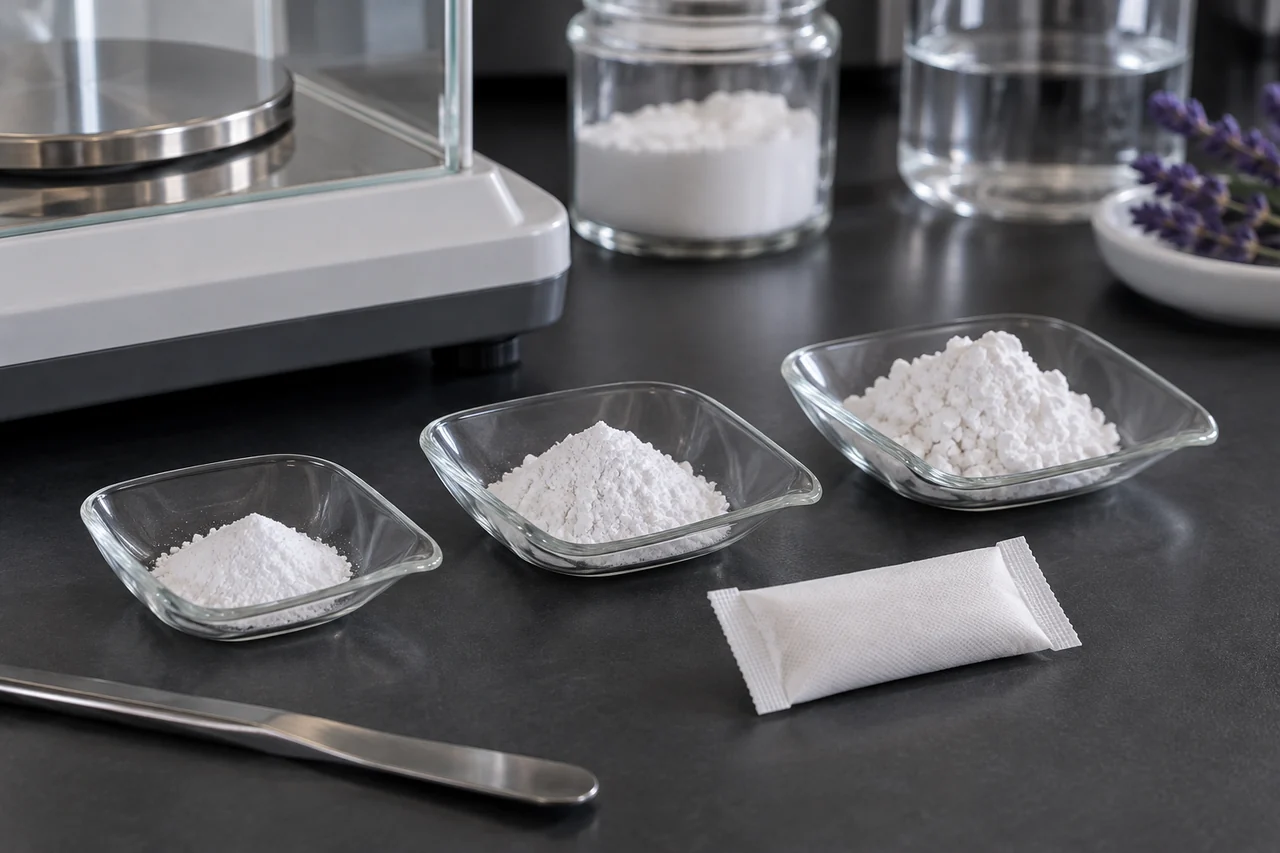
Formulation
Elemental magnesium content, magnesium salt weight and total pouch fill are different quantities and must be specified separately.
Read guide
Ingredients
Review a combination one ingredient and one proposed claim at a time before describing it as a relaxation product.
Read guide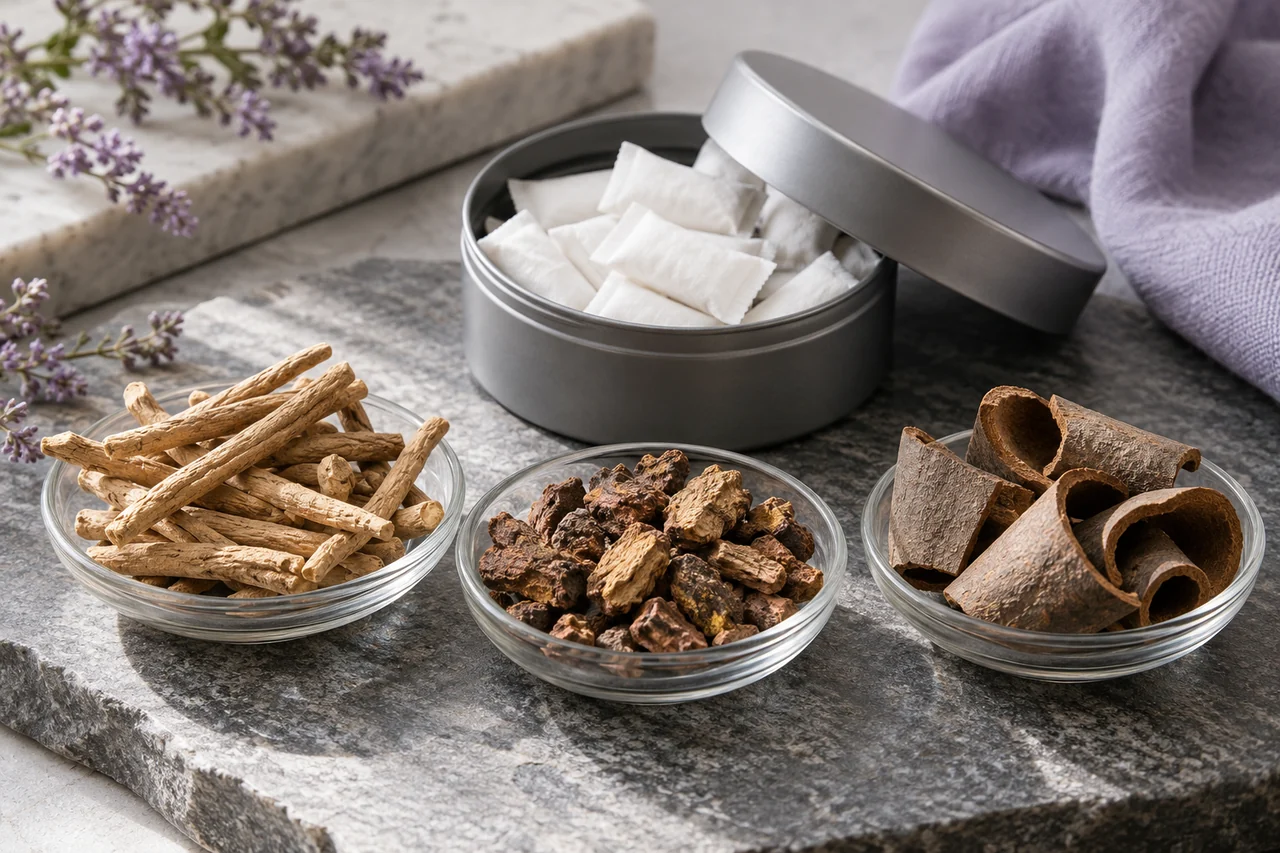
Ingredients
An adaptogen project begins with botanical identity and extract specifications, not with a generic promise of stress relief.
Read guide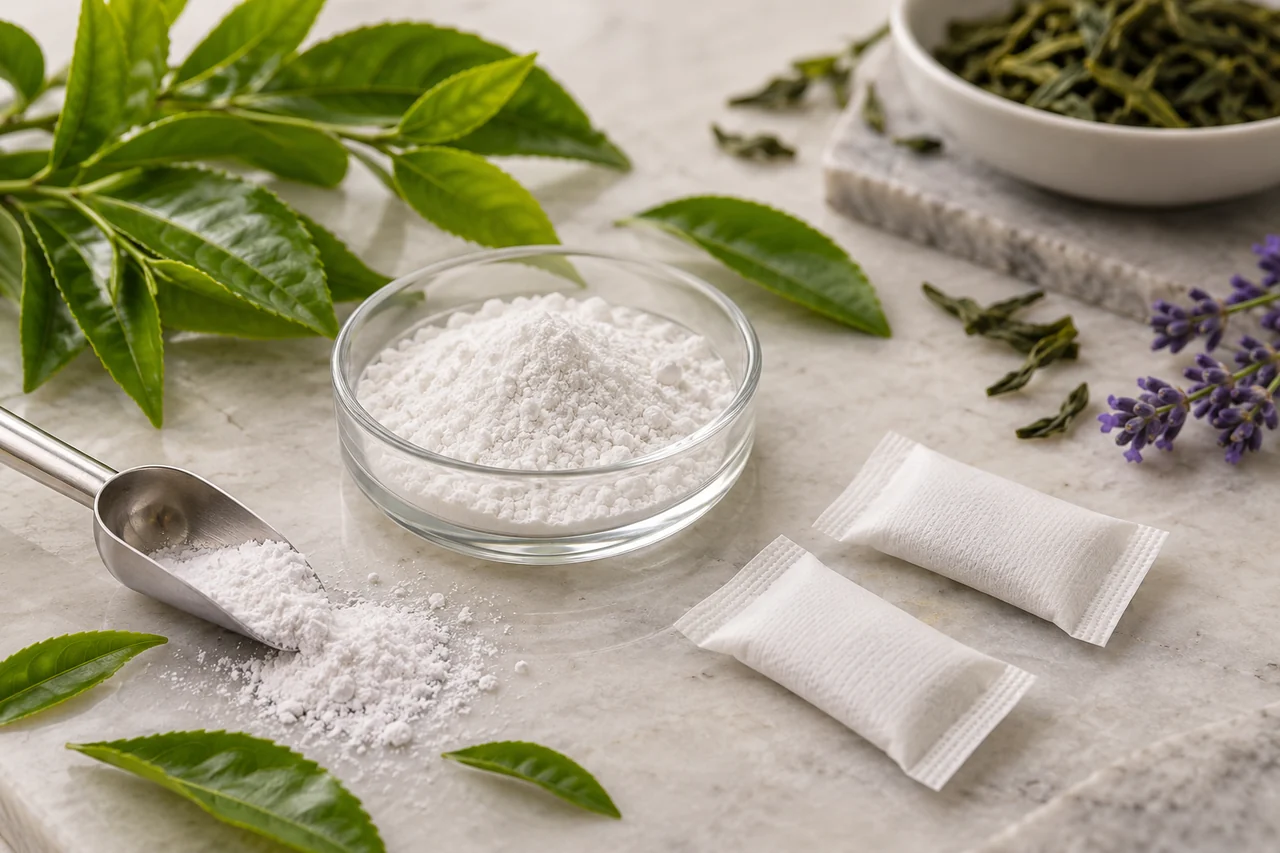
Ingredients
An L-theanine project needs ingredient identity, a feasible payload, sensory evaluation and a market review before amounts or claims are chosen.
Read guide
Sampling
A sample should answer a written question, with the formula version, packaging and evaluation criteria recorded.
Read guide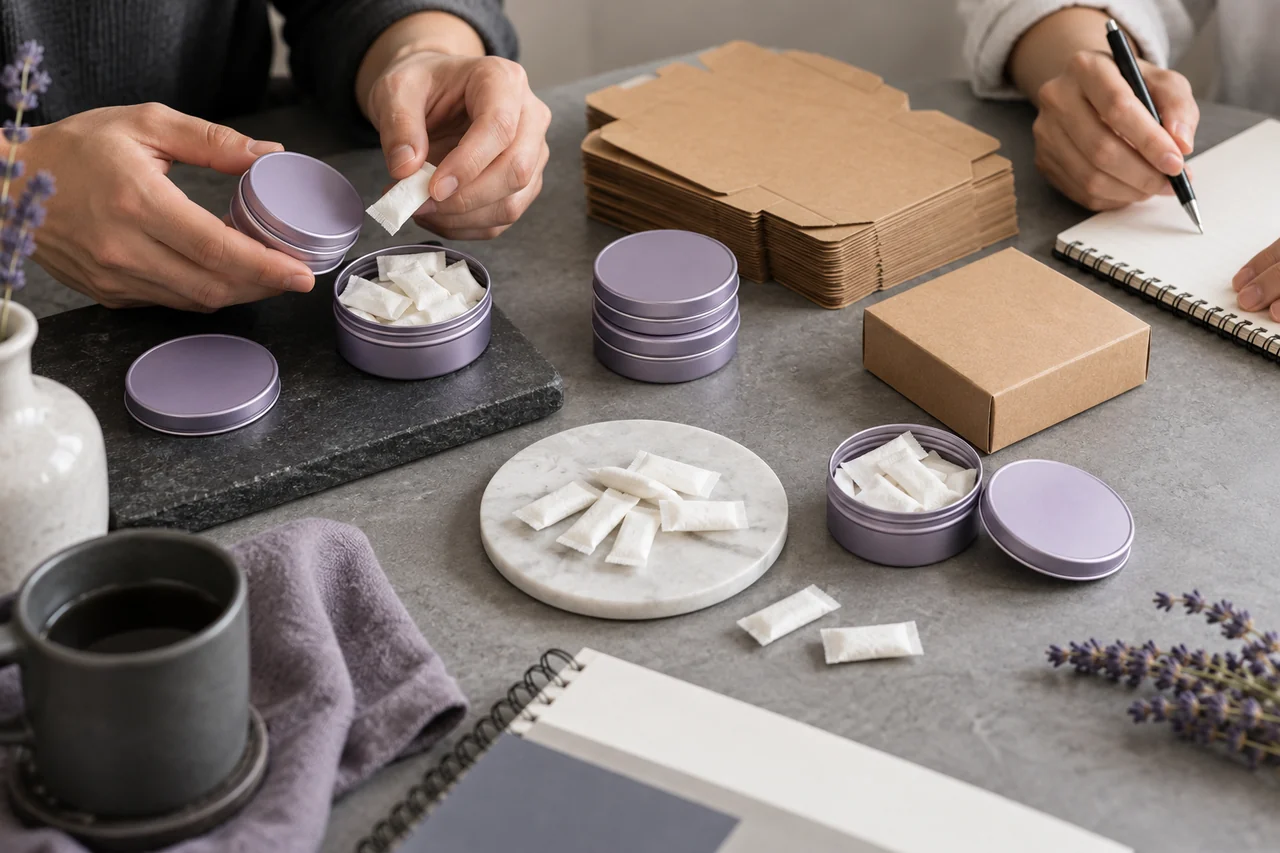
Sourcing
A meaningful MOQ or lead-time quote needs a formula, packaging configuration, SKU count and testing scope.
Read guide
Development models
Choose the project model by the responsibilities and deliverables you need, not by an acronym on a brochure.
Read guide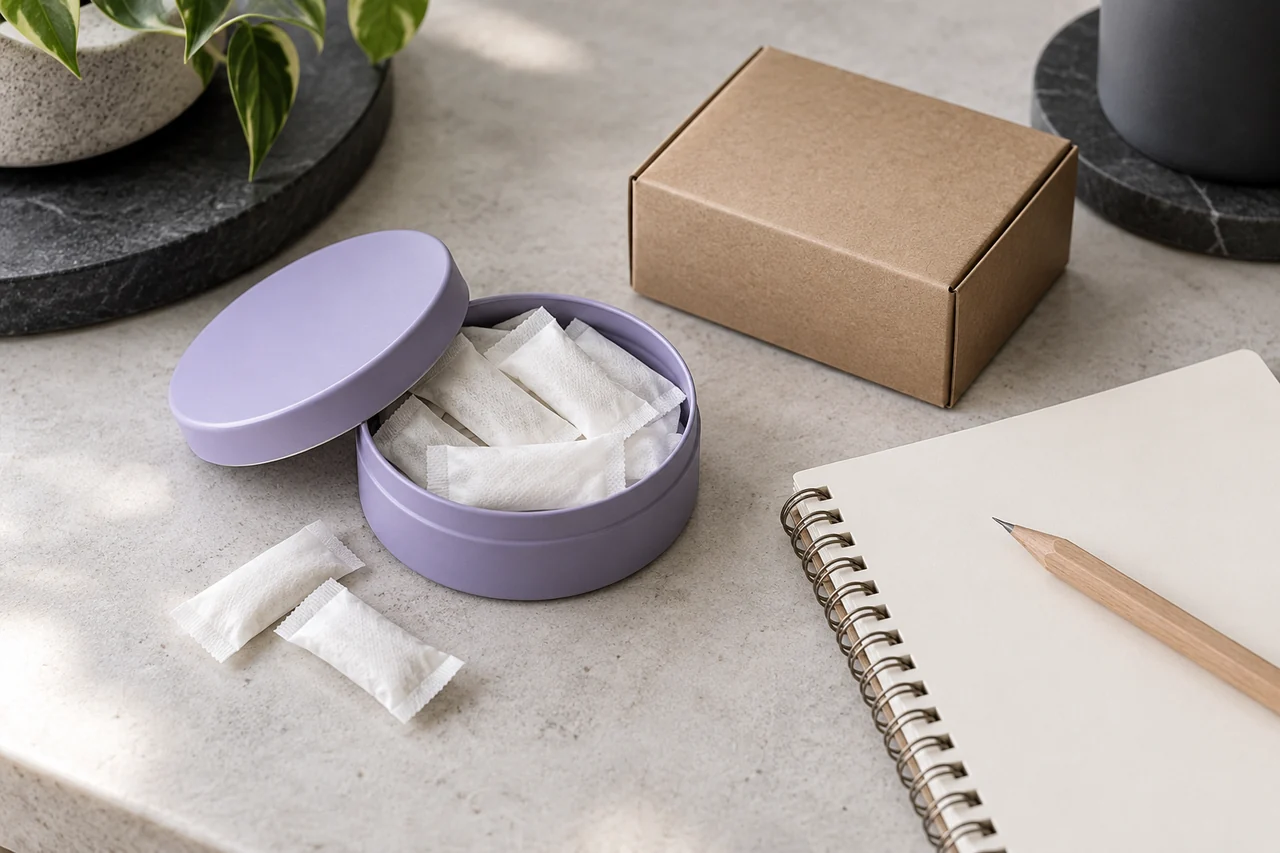
Brand planning
Start with a market and a product brief before committing to a formula, packaging run or launch claim.
Read guideNo guides match. Try a shorter ingredient or packaging term.
Explore the product development references alongside our buyer guides.