
COA, SDS and batch records

Each quality document has a purpose; none should be treated as a universal certificate of safety, efficacy or legal sale.
Read a COA against a specification
Check the material or finished-product identity, batch, methods, results, limits, date and authorization. Ask whether the document relates to the exact product and stage you are buying. A raw ingredient result does not describe the complete finished pouch.
Use an SDS for its purpose
An SDS provides material safety and handling information. Check the exact material or mixture, supplier and revision. It does not replace an assay report, stability summary, product label or market assessment. Avoid collecting unrelated documents merely to create a large file.
Follow the batch trail
The record system should link ingredient and packaging lots, processing, filling, packing and release. Ask what information is available when a deviation or complaint occurs. Define document retention, review responsibilities and the release decision in the quality agreement.
Request a specific document set
A useful request identifies the destination market, product category and the project stage. Define the records required before sampling, production and shipment. Verify certificates for the actual manufacturing site and scope. Do not publish sample documents with invented results or assume an image proves authenticity.
Put it in your brief
- Document identity
- Exact batch
- Method and limits
- Record traceability
- Release responsibility
For each item, record the decision owner, the information needed and the approval that allows the next stage to proceed. Unresolved questions should remain visible in the project brief instead of being replaced by an assumed specification.
This guide supports business planning. Formula, safety, intended-use and destination-market decisions require project-specific review. No pouch efficacy, onset or product authorization is established here.
Related project pages: development services, quality planning and sample enquiries.
Process records
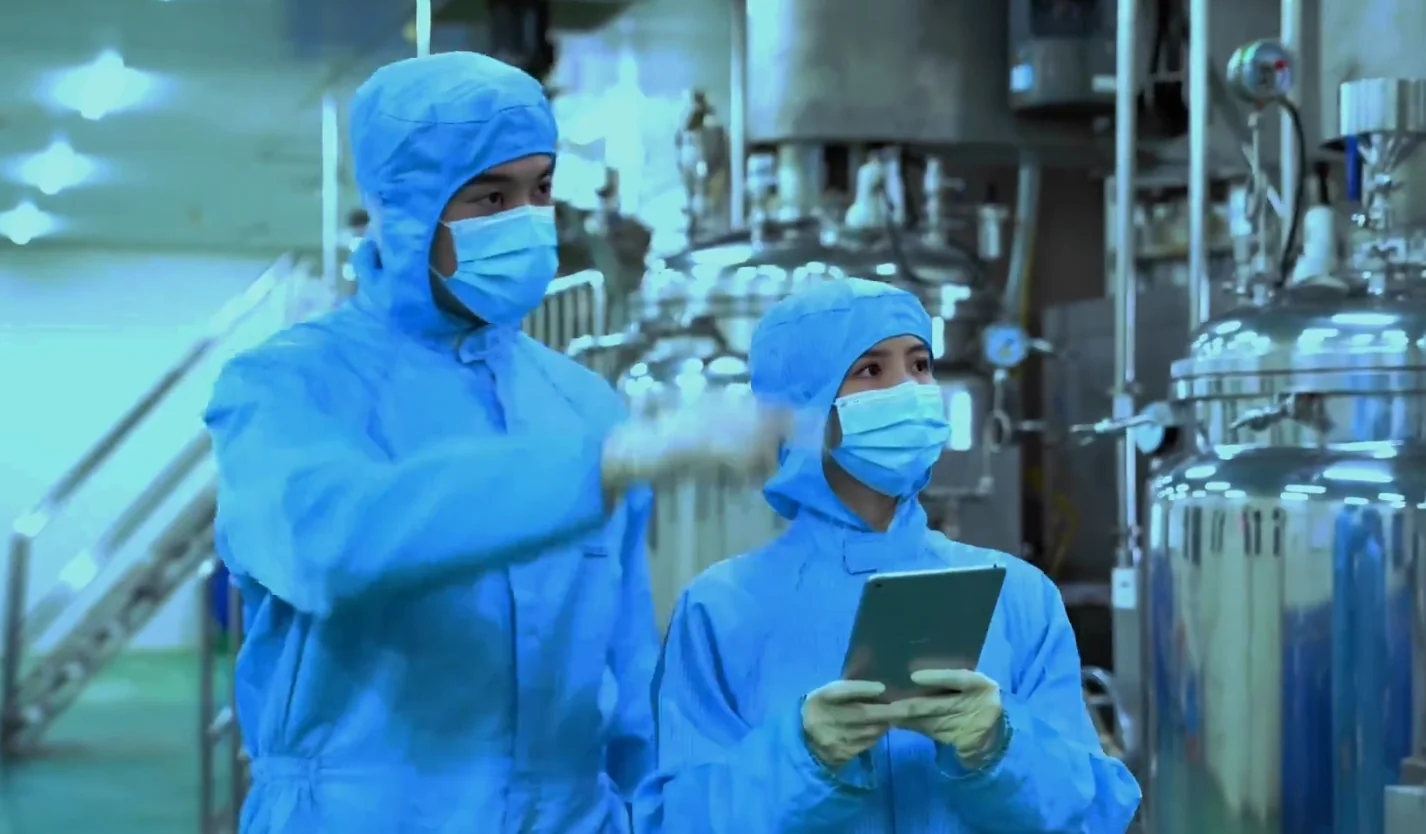
A process photograph is context. Batch records, method suitability, specifications, actual results and release authorization provide the evidence needed for a quality decision.